

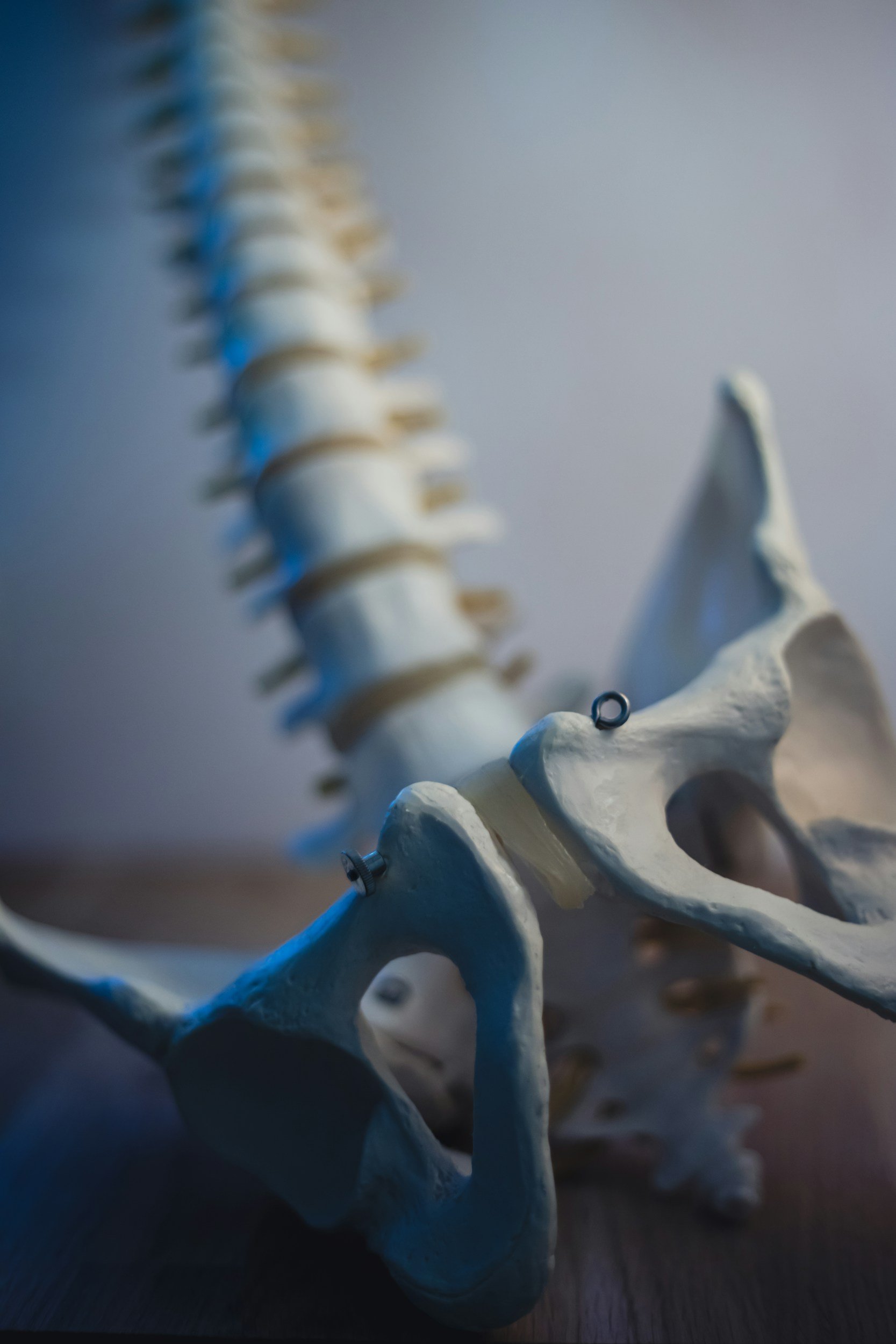
Sciatica: Why It's So Hard to Relieve — And What a Root-Cause Approach Actually Looks Like
Sciatica is one of the most searched pain conditions in Australia and one of the most misunderstood. Most people trying to relieve sciatica focus on the nerve itself: stretching, resting, getting injected, or hoping it resolves on its own. Sometimes it does. But when sciatica becomes a recurring or chronic pattern, the nerve is rarely where the problem starts.
Our Approach
At Functional Patterns Sydney, we work with clients experiencing sciatica who are tired of temporary fixes. Our whole body biomechanics approach looks at why the sciatic nerve is being irritated in the first place and addresses the movement patterns creating that pressure, rather than just managing the pain it produces.

Why Sciatica Is Harder to Resolve Than It Should Be
The sciatic nerve - the longest nerve in the body - runs from the lower spine through the glutes and down each leg. When it's compressed or irritated, the resulting pain can be severe. But the compression is almost always a consequence of something else: the way you stand, sit, walk, and load your body through everyday movement.
Most sciatica treatment focuses directly on the nerve and the structures around it; stretching the piriformis, decompressing the lumbar spine, strengthening the core in isolation. These approaches may bring temporary relief but they rarely address why the spine and surrounding structures are creating that compression in the first place. And so for many people, sciatica returns. Sometimes weeks after successful treatment, sometimes months later when activity levels increase.
The Movement Patterns Behind Sciatic Nerve Compression
The position of your lumbar spine and sacroiliac joint - the areas most likely to compress the sciatic nerve - is determined by how your whole body moves. If your thoracic spine doesn't rotate well, your lumbar spine compensates. If your glutes don't load properly through your gait cycle, other structures take the strain. If your hip flexors are chronically shortened from sitting, your pelvis anterior tilts forward and changes the space available for the nerve.
These aren't problems you can isolate and fix directly. They're the product of movement patterns built up over years and the only way to change them is to retrain how your whole body functions.
Sciatica is a symptom, not a cause. The nerve is being irritated by something - and in most chronic cases, that something is a movement pattern that's been loading the spine, pelvis, or surrounding musculature the wrong way for a long time. Treating the nerve without addressing the pattern is why relief so often doesn't last.
An integrated Approach to Sciatica Relief
Functional Patterns is a biomechanics based personal training system built on how the human body has evolved to move. Every exercise is derived from four fundamental movement patterns: standing, walking, running, and throwing.
This means our practitioners start by observing how your entire movement system is loaded;
- feet & ground tension
- pelvis & thoracic spine relation during walking
- joint stacking
- lumbar compression
Dysfunction anywhere in that chain can place chronic load on the structures irritating the sciatic nerve.

Why Our Clients Come to Us After Trying Everything Else
Most people with sciatica who come in to our Alexandria facility have already worked through the standard options - physiotherapy, chiropractic, massage, and possibly epidural injections or nerve blocks. Many have had some short-term relief from these approaches, but the question isn't whether those therapies can provide some relief, it's why the relief doesn't last. At Functional Patterns Sydney we have a methodology and track record of making lasting changes.
-
PRIMARY FOCUS
Whole-body movement retraining to remove the root cause of nerve pressure
WHERE IT FALLS SHORT FOR RECURRING CASES
We address the specific movement patterns creating chronic load on the structures irritating your sciatic nerve
-
PRIMARY FOCUS
Core strengthening, lumbar stabilisation, nerve mobility exercises
WHERE IT FALLS SHORT FOR RECURRING CASES
Addresses the symptomatic area without changing the whole-body movement patterns loading it
-
PRIMARY FOCUS
Spinal decompression and joint manipulation
WHERE IT FALLS SHORT FOR RECURRING CASES
Provides relief that may not hold if the movement patterns driving compression aren't changed
-
PRIMARY FOCUS
Soft tissue release, piriformis and glute tension
WHERE IT FALLS SHORT FOR RECURRING CASES
Releases tension temporarily but doesn't retrain the movement creating that tension
-
PRIMARY FOCUS
Reduces nerve inflammation and pain signal
WHERE IT FALLS SHORT FOR RECURRING CASES
Manages the symptom (the compression) but can recur if movement patterns aren't addressed
-
PRIMARY FOCUS
Spinal flexibility, hip stretching, core stability
WHERE IT FALLS SHORT FOR RECURRING CASES
Spinal flexibility, hip stretching, core stabilitymovement
You May Be a Good Fit If…
-
![a lower back being massaged]()
lower back massage
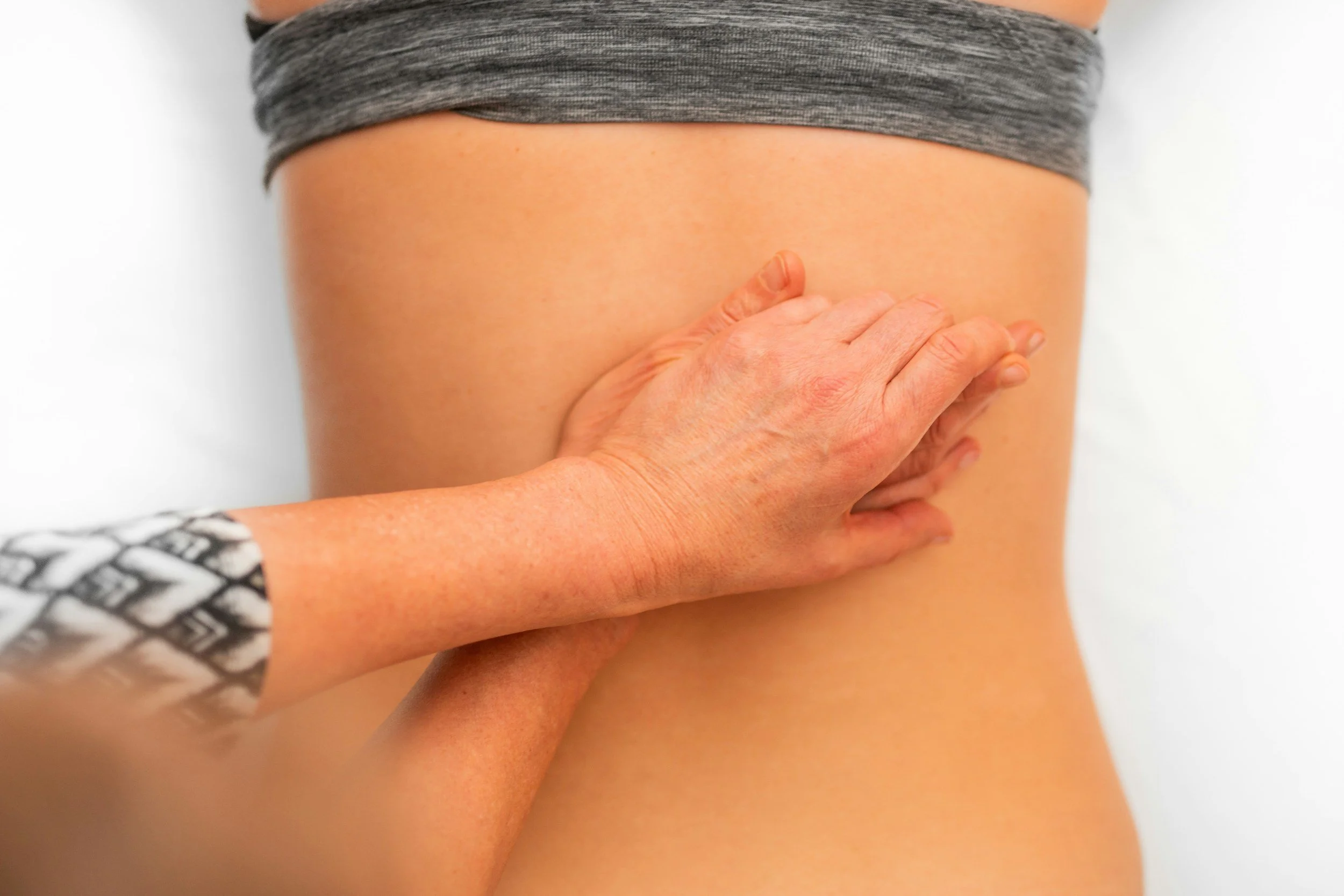
• Your sciatica returns after other treatments and periods of relief relief never seems to last
• You've tried physio, chiropractic, or massage and experienced temporary improvement but not lasting change
-
![a computer generated image of a spine]()
spine
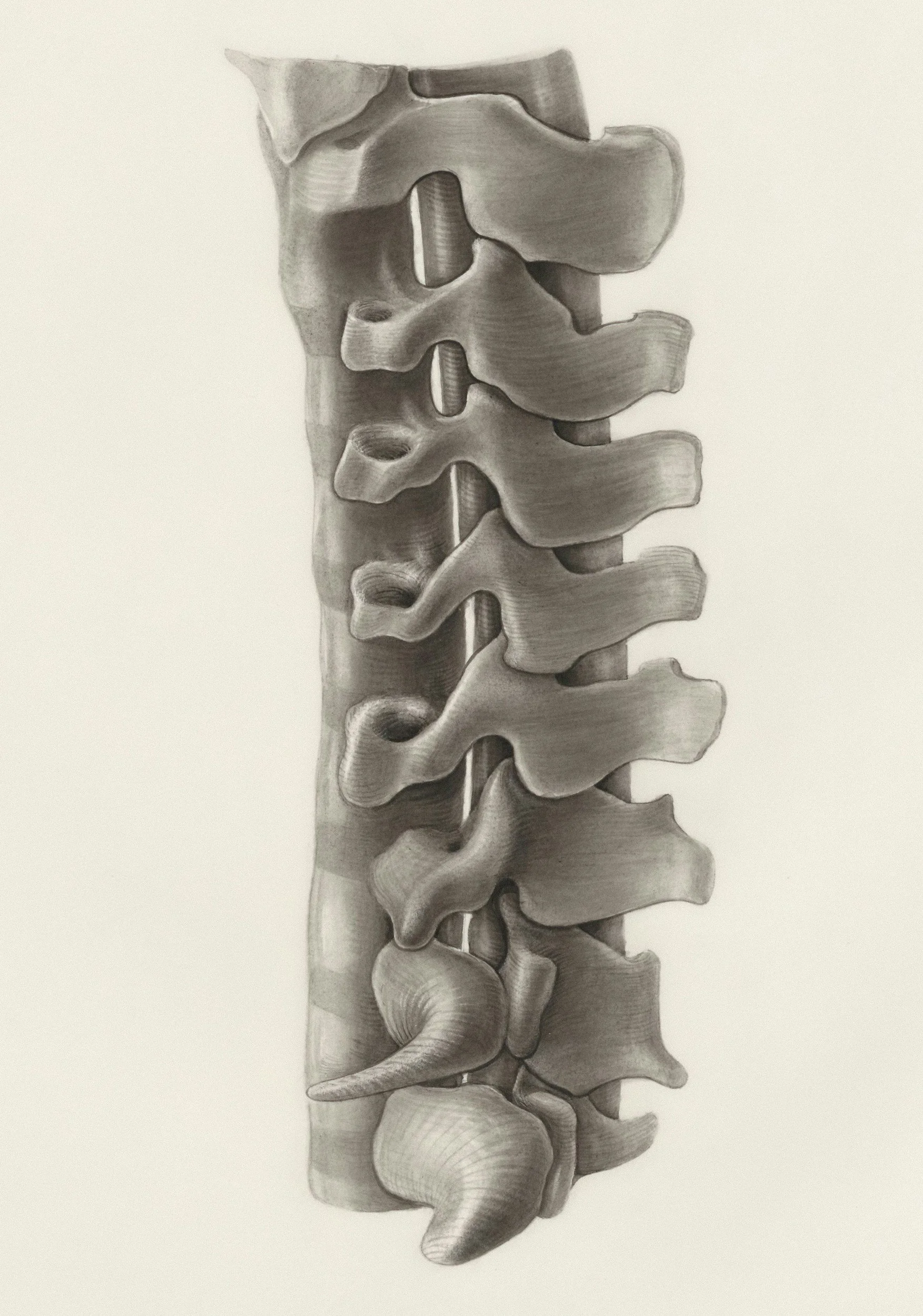
• You experience not just lower back pain but referred pain, tingling, or numbness into the glute, leg, or calf
• Your sciatica flares up with extended sitting, walking, running, or returning to activity after rest
-
![a man running on a beach at sunrise]()
running at sunrise
• You want to understand what's actually causing the nerve compression (and not just manage the pain)
• You're active and want to return to sport or exercise without your sciatica recurring

Sciatica, Knee Pain, and Groin Pain: Understanding Nerve Referral
One of the most confusing aspects of sciatica is where the pain actually appears. While many people associate sciatica with lower back and buttock pain, the sciatic nerve branches all the way down to the foot — which means symptoms can show up anywhere along that path: the outer thigh, the back of the knee, the calf, or even into the groin.
Sciatica and knee pain are frequently connected in this way. Pain felt at the knee is often referred from irritation higher up the nerve - not a knee problem at all. Similarly, sciatica pain into the groin can reflect involvement of upper lumbar nerve roots. In both cases, treating the site of pain misses the source.
This is another reason why a whole-body movement assessment is so valuable. By understanding where the nerve is being compressed and why, we can address the actual cause of your symptoms, regardless of where in the leg or hip you're feeling them.
Sydney's Only Licensed Functional Patterns Facility
Functional Patterns Sydney is the only licensed Functional Patterns facility in the Sydney area. Based in Alexandria, our studio serves clients from across greater Sydney who are seeking a root-cause approach to chronic pain and movement dysfunction - including sciatica and other lower back nerve related issues.
Our practitioners are certified Human Biomechanics Specialists trained in gait analysis, postural assessment, and corrective movement. Every client works 1-on-1 with their practitioner from the first assessment through to their ongoing training program.
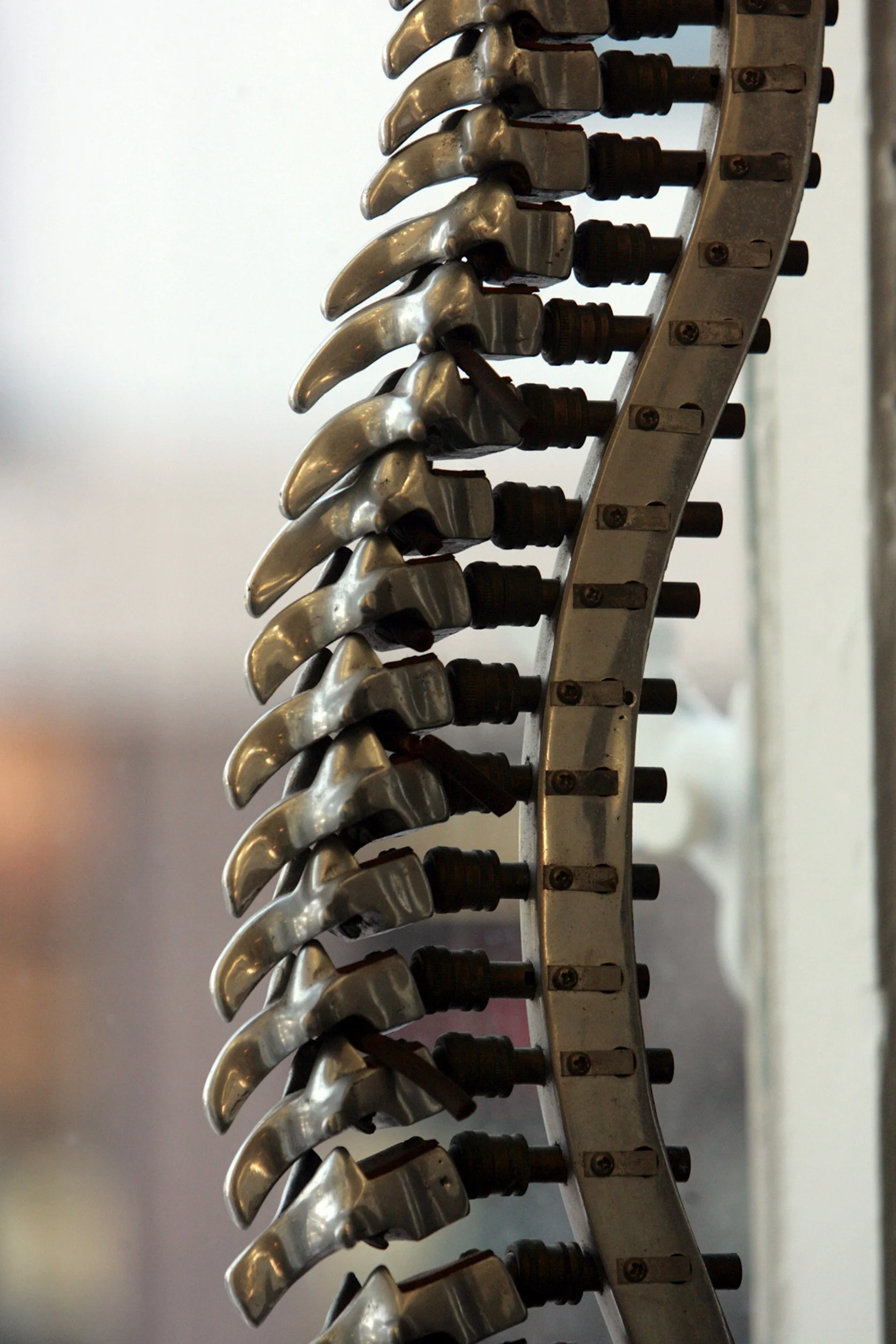
Ready to move towards a solution?
Are you tired of repeatedly injuring yourself and moving dysfunctionally? Let us help you find the symmetry and balance in your posture and movement that will enhance your overall health.
real results from Functional Patterns Sydney clients
RUBY
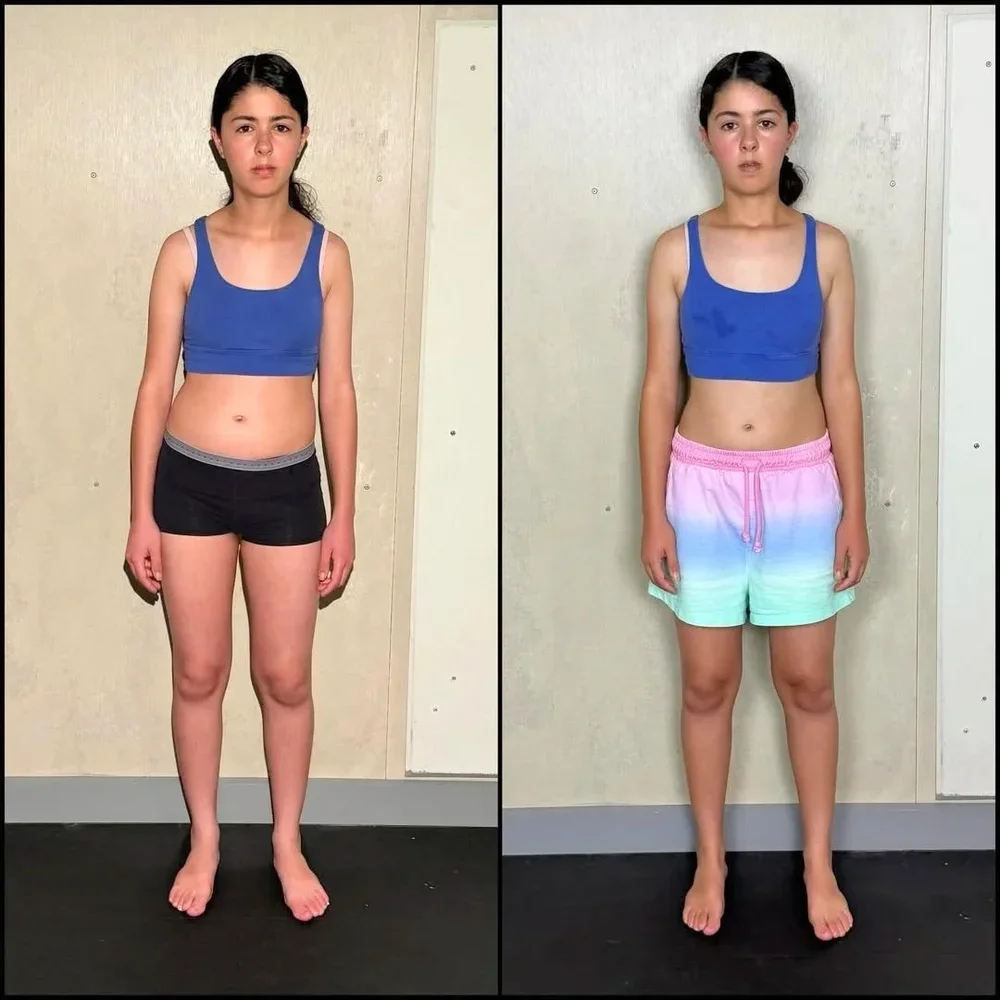
Scoliosis & Kyphosis
“Before doing FP I felt sore and stiff. My back pain dropped significantly. Playing sports is more enjoyable.”
thibaud
Scapula Winging & Hip Hike
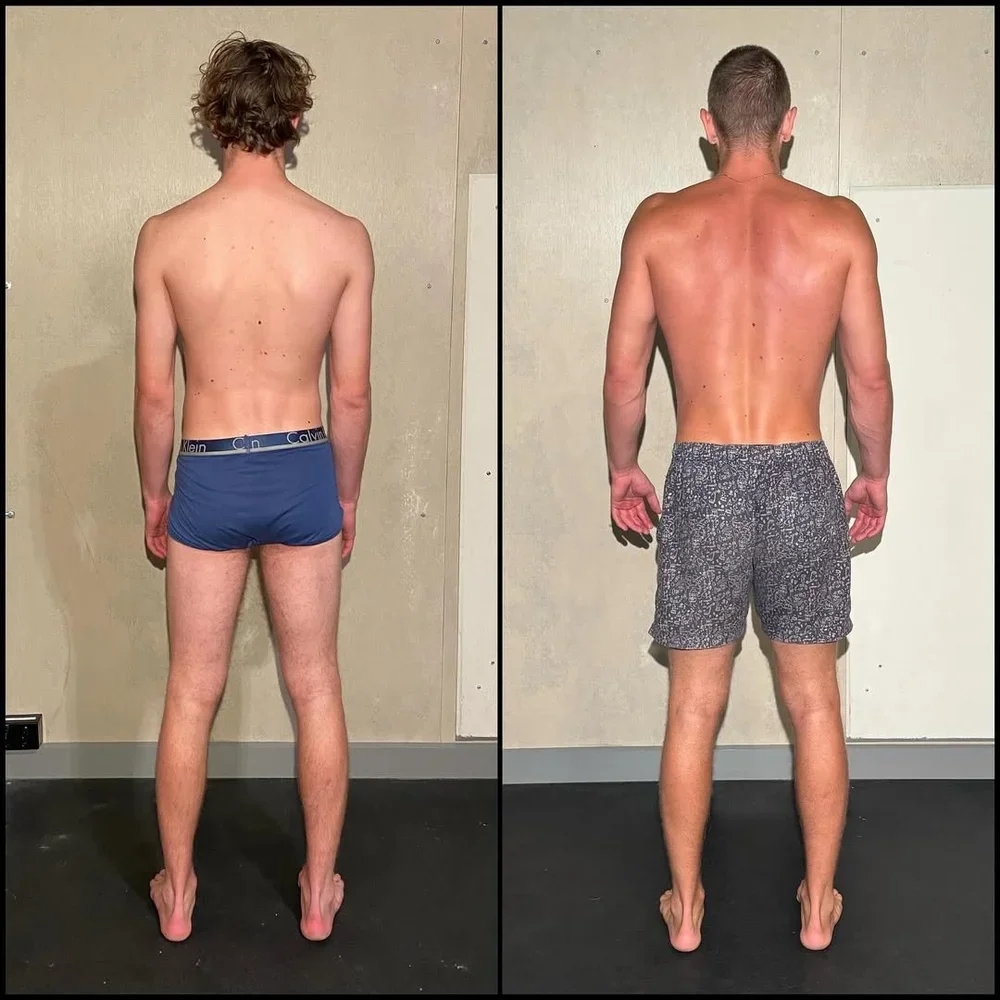
“I’ve been able to gain 12 kgs and I feel healthier and more athletic than I ever have.”
ryan
Back Pain (Thoracic & Cervical)
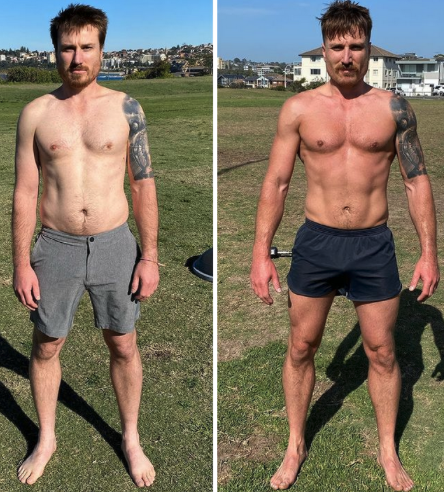
”After training with FP, my pain scale is zero 99% of the time.”
Lauren
Lower Back Pain & Poor Posture
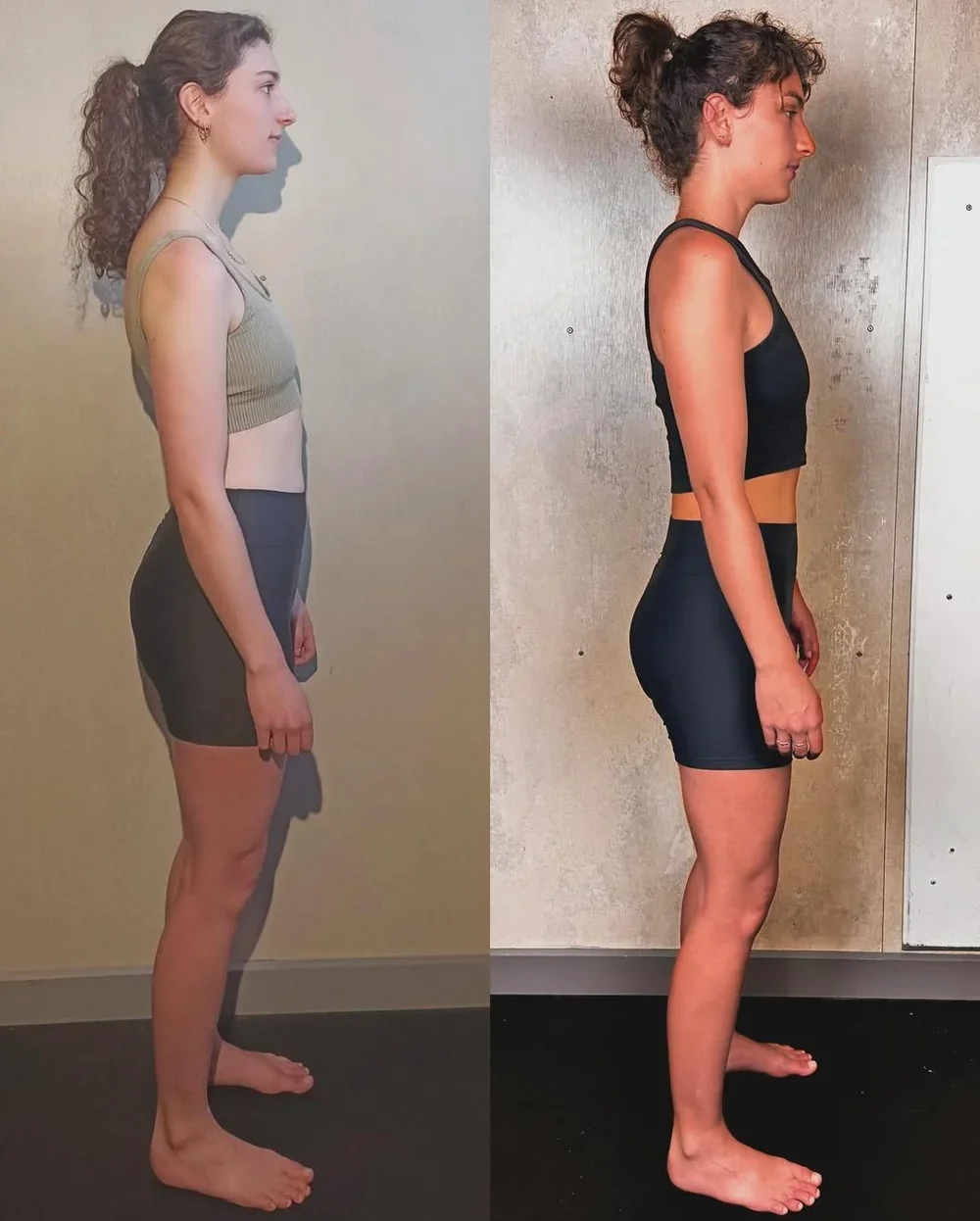
“FP helped me improve my posture and tension in the right places, giving me results much quicker than I expected.”