Shoulder Labrum Tear:
Why It Keeps Flaring Up - And What Most Treatments
Miss
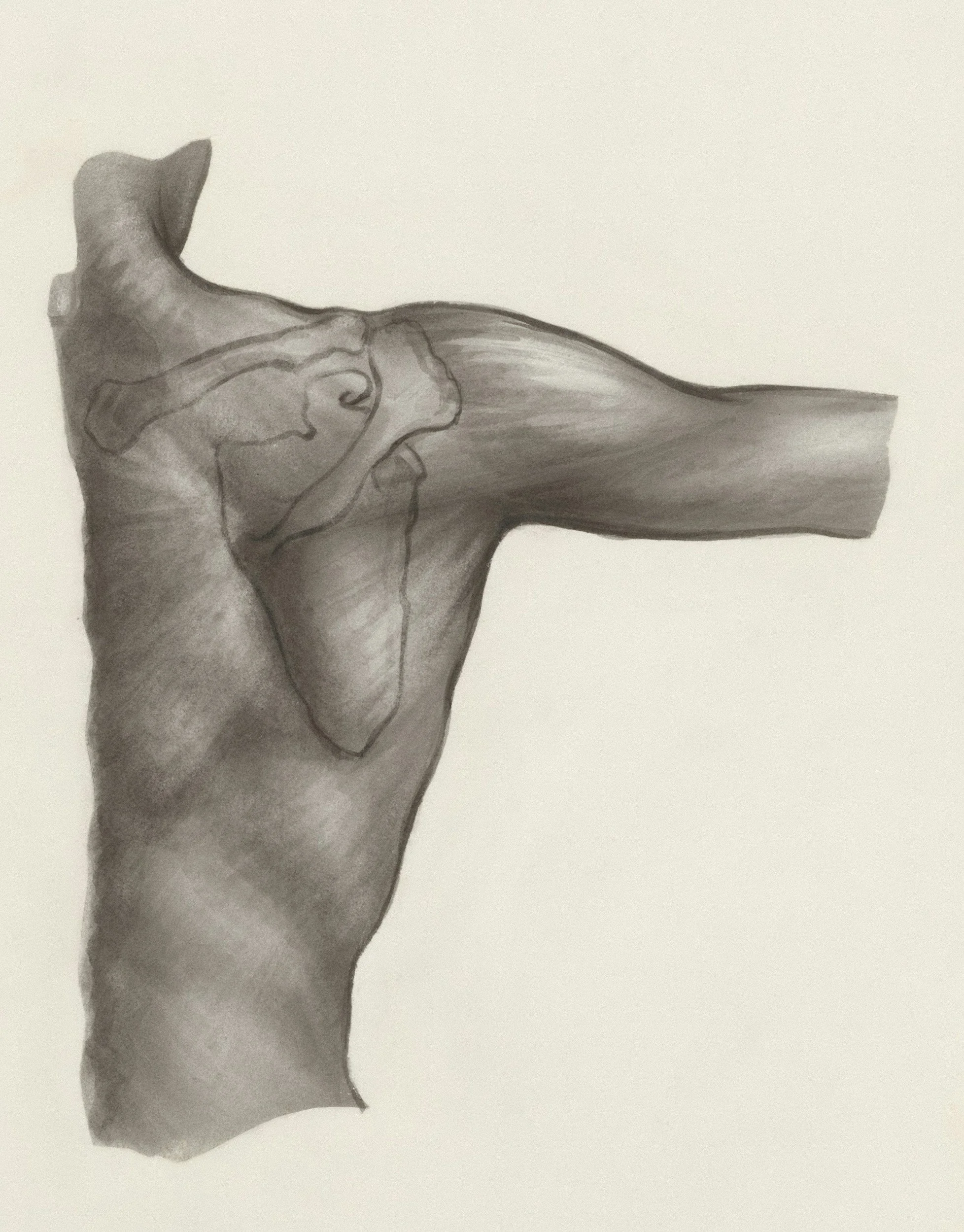
A tear of the shoulder labrum is one of the more frustrating injuries to live with. The pain can range from a dull ache deep in the joint to a sharp catch during overhead movements - and despite rest, physio, or cortisone injections, it has a habit of returning the moment you go back to normal activity. If that pattern sounds familiar, the labrum may not be the whole story.
At Functional Patterns Sydney, we work with clients experiencing shoulder labrum tears who want to understand the movement patterns driving their pain, not just the tear itself. Our approach uses whole body biomechanics analysis to identify how the entire kinetic chain is contributing to load at the shoulder joint.
What Sets Us Apart
Why Shoulder Labrum Injuries Are Harder to Resolve Than They Should Be
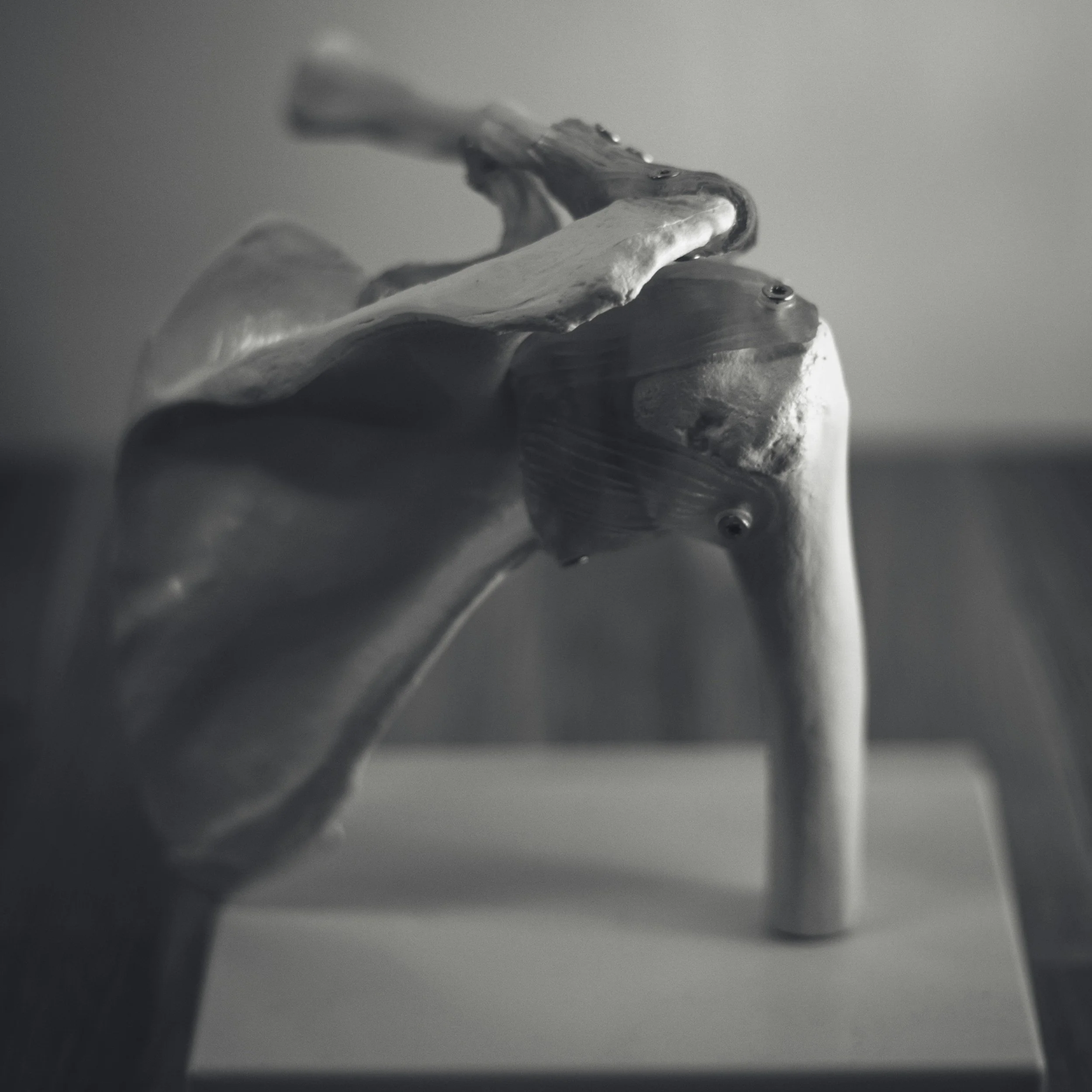
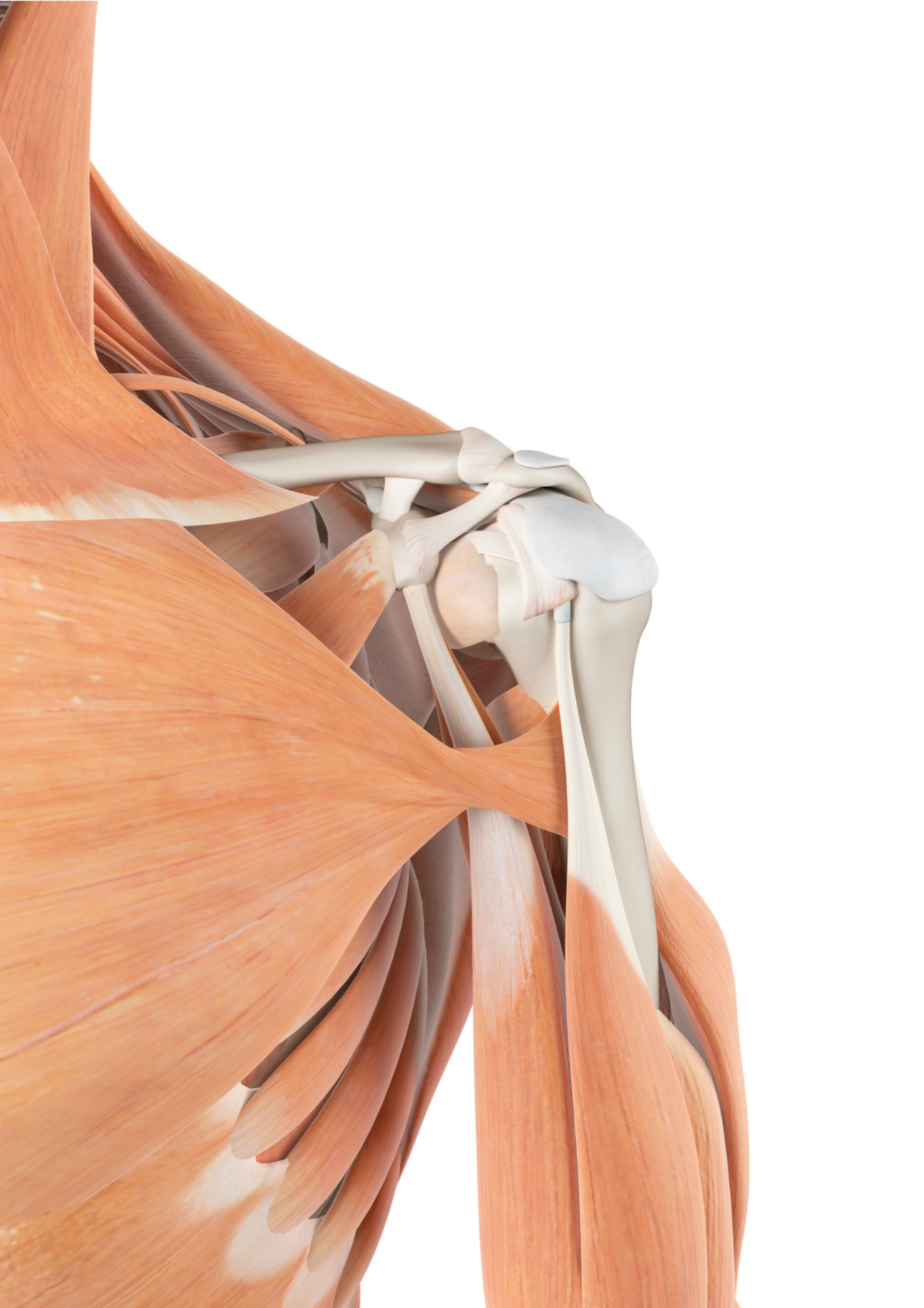
The shoulder labrum (the ring of cartilage that deepens and stabilises the shoulder socket) is one of the most mobile joints in the human body. That mobility is also what makes it vulnerable. Every overhead movement, throwing action, or loaded reach puts demand on the labrum, and that demand is shaped by everything happening above and below the shoulder: how your thoracic spine rotates, how your neck and ribs move, how your opposite hip loads during gait.
Most treatment approaches focus at the site of pain - strengthening the rotator cuff, releasing tight chest muscles, mobilising the shoulder capsule. This is valuable work, particularly in the short term. But if the broader movement patterns loading the labrum aren't addressed, relief tends to be temporary. The shoulder keeps receiving the same abnormal forces, from the same dysfunctional patterns, every time you move.
The Role of the Kinetic Chain
The shoulder doesn't work in isolation. When you throw, reach, or even walk, your shoulder relies on a coordinated chain of movement from your feet through your hips, thoracic spine, and into your arm. A restriction anywhere in that chain (stiff mid back, a poorly rotating pelvis, a collapsed arch on the opposite foot) can increase rotational stress at the shoulder joint and change how load is distributed across the labrum.
These compensatory patterns typically develop gradually over months or years. They're invisible to the naked eye and rarely show up in imaging. But they're often the reason why shoulder labrum symptoms return after treatment, and why addressing them is the key to lasting change.
A Whole-Body Approach to Shoulder Labrum Tears
Functional Patterns is a biomechanics-based personal training system built around how the human body has evolved to move. Rather than addressing isolated muscles or joints, every exercise is derived from the four fundamental human movement patterns: standing, walking, running, and throwing.
Throwing is particularly relevant for shoulder labrum injuries — it's the pattern that most clearly expresses how the shoulder is designed to function within the whole system. By retraining throwing mechanics alongside walking and running patterns, we address how the shoulder loads and unloads through full-body movement, not just in isolation.
What A FUNCTIONAL PATTERNS Assessment InvolveS
Gait Cycle analysis — video based assessment of how you walk and run, identifying asymmetries in shoulder rotation, thoracic mobility, and contralateral hip function
Postural evaluation — static and dynamic assessment of shoulder blade position, neck alignment, thoracic curvature, and how these relate to loading at the shoulder joint and the rest of your body
Contralateral function testing — assessing how your opposite hip and shoulder work together, since the throwing pattern is fundamentally a cross body movement
Overhead and rotational movement screening — identifying where in the kinetic chain the breakdown occurs that shifts load onto the labrum
What Training AT FUNCTIONAL PATTERNS SYDNEY Looks Like
Every client at Functional Patterns Sydney trains 1-on-1 with a certified practitioner. Sessions progress systematically from foundational posture and gait correction through to loaded rotational and overhead movements, building the movement quality needed to take stress off the labrum and distribute it appropriately through the whole system.
Labrum tear symptoms in the shoulder are often associated with poor thoracic rotation and limited contralateral hip mobility. Most clients notice meaningful changes in shoulder comfort and movement quality once they learn to apply the concepts into their everyday movement, though this varies depending on how long the issue has been present and the degree of compensation involved. Generally we see meaningful change and the locking in of a new movement pattern at around the ten session mark. After that, your movement will continue to improve with further training as your body continues to build on the more efficient patterns it has been taught.
Why Our Clients Come to Us After Trying Everything Else
The typical pathway for a shoulder labrum tear - physio, cortisone, rest, possible surgery - is a well worn path for thousands of people, many of whom find relief is only partial or short-lived, and continues to push them towards the surgical option. Understanding the difference in our approach can be the turning point.
-
PRIMARY FOCUS
Whole body movement retraining — identifying the root cause and working to return you to efficient movement patterns, not just treating symptoms
We identify and correct the movement dysfunctions creating abnormal load at the shoulder - the longer-term solution for recurring cases
-
PRIMARY FOCUS
Rotator cuff strengthening, shoulder stabilisation, local tissue rehab.
WHERE IT FALLS SHORTAddresses the shoulder in isolation - doesn't change the movement patterns loading the labrum
-
PRIMARY FOCUS
Spinal and shoulder joint alignment
WHERE IT FALLS SHORT FOR RECURRING CASES
Adjustments will need repeating if movement patterns driving the dysfunction aren't corrected
-
PRIMARY FOCUS
Shoulder flexibility, static stretching, postural awareness
WHERE IT FALLS SHORT FOR RECURRING CASES
Static holds and isolated core work don't retrain how the shoulder loads and unloads through dynamic movement
-
PRIMARY FOCUS
Structural repair of the torn labrum (SLAP repair or Bankart repair)
WHERE IT FALLS SHORT FOR RECURRING CASES
Addresses the tissue damage but if the movement patterns causing the tear aren't resolved, recurrence risk remains as does flow on issues in other areas due to compensations
You May Be a Good Fit If…
You've been diagnosed with a shoulder labrum tear (including a SLAP tear) but haven't found lasting relief through conventional treatment
Shoulder pain returns whenever you resume overhead activity, throwing, swimming, or gym training
You notice a catching, clicking, or deep aching sensation in the shoulder that hasn't fully resolved
You've had cortisone injections, physiotherapy, or a period of rest with temporary improvement only
You've been told surgery is your next option and want to explore what's possible without going under the knife first
You would prefer to avoid intrusive surgery with prolonged recovery time
You've had shoulder labrum surgery and want to address the underlying movement patterns to reduce the risk of recurrence
You want to understand the root cause of your shoulder pain, not just manage it
real results from Functional Patterns Sydney clients
RUBY
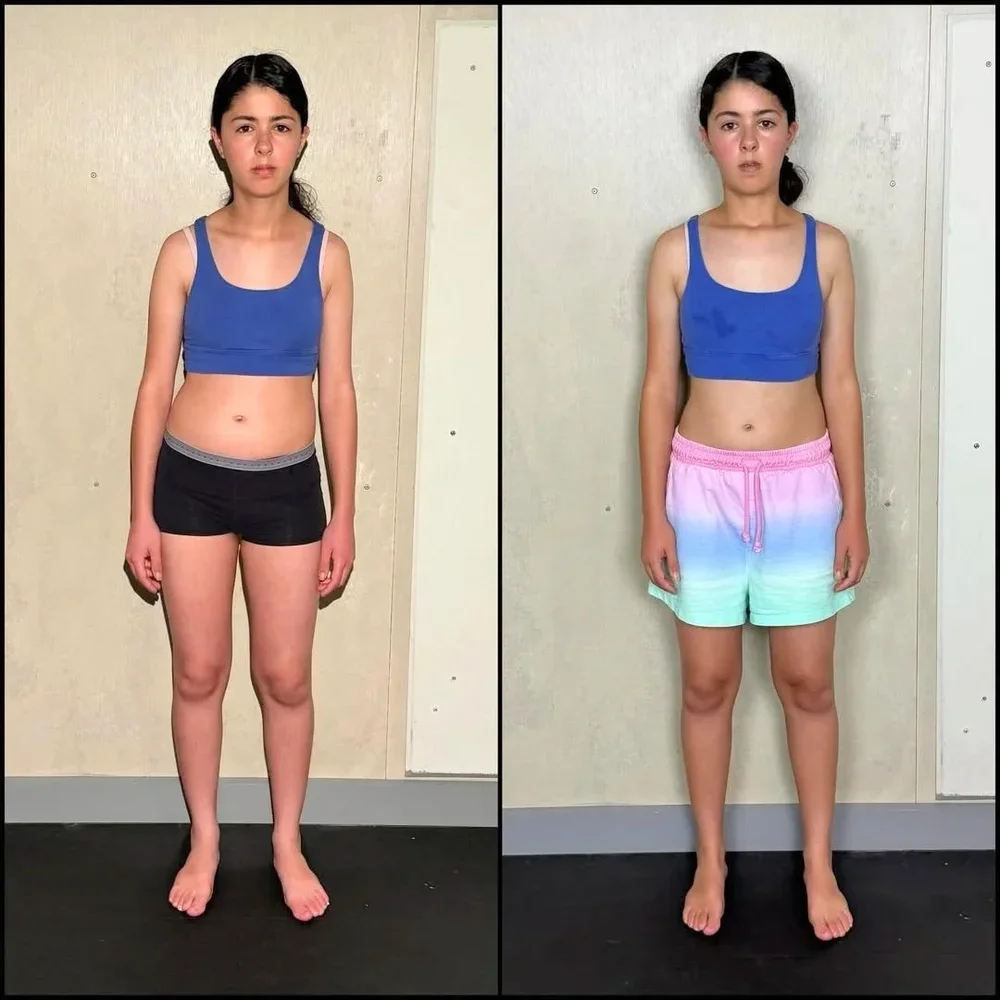
Scoliosis & Kyphosis
“Before doing FP I felt sore and stiff. My back pain dropped significantly. Playing sports is more enjoyable.”
thibaud
Scapula Winging & Hip Hike
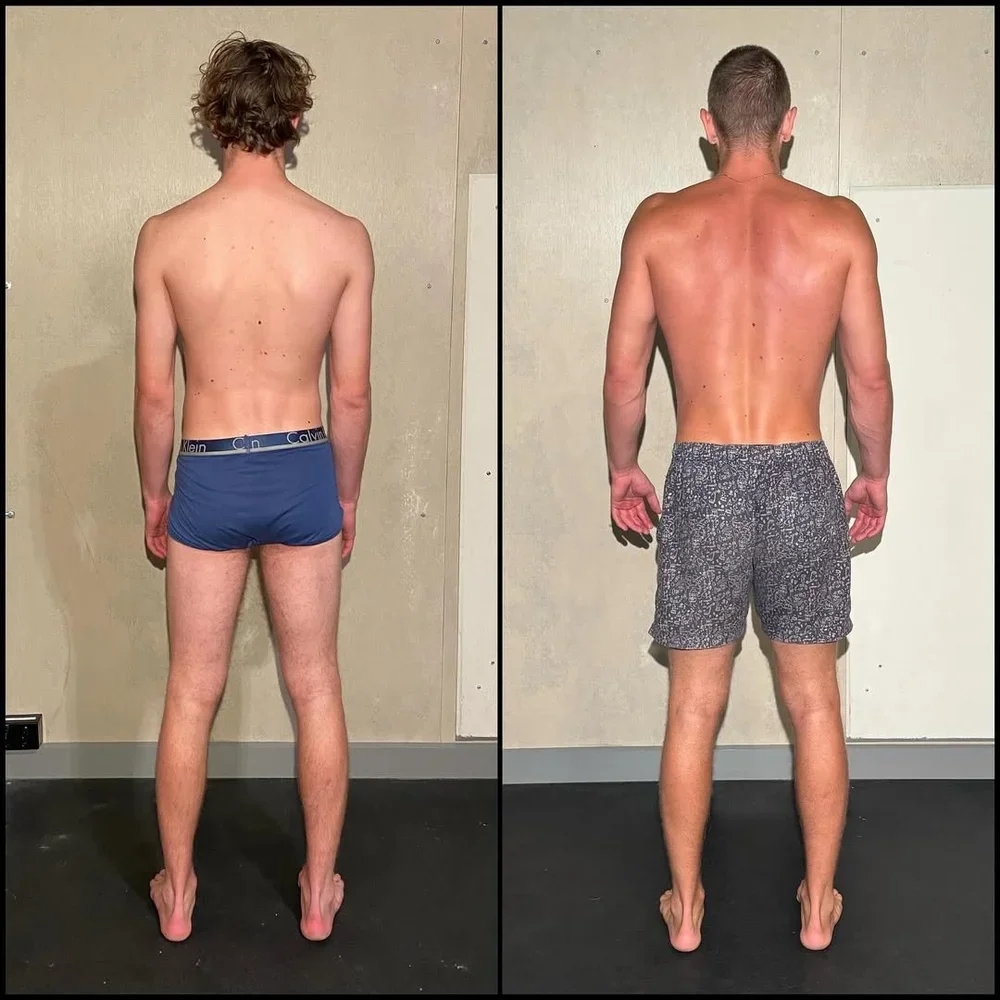
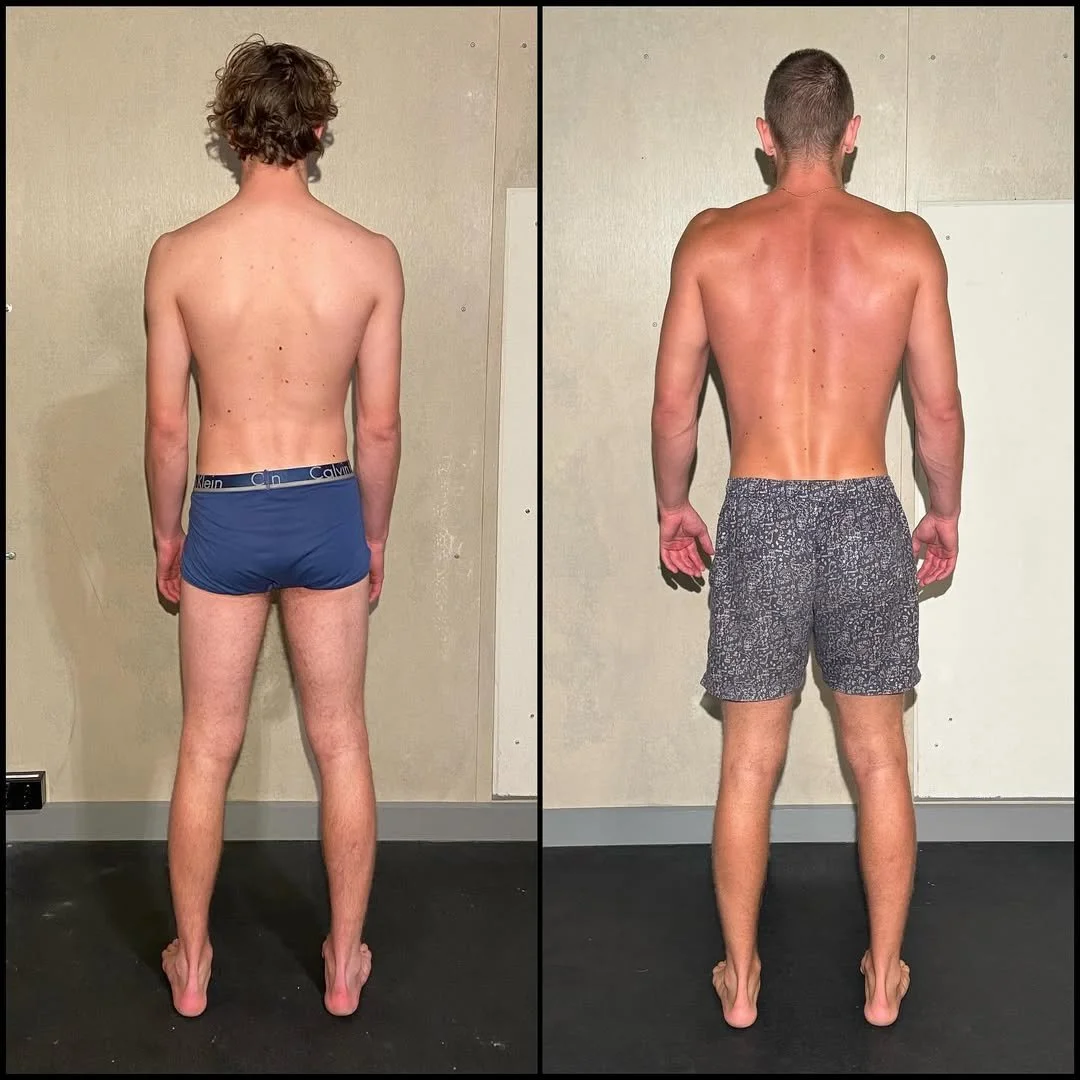
“I’ve been able to gain 12 kgs and I feel healthier and more athletic than I ever have.”
ryan
Back Pain (Thoracic & Cervical)
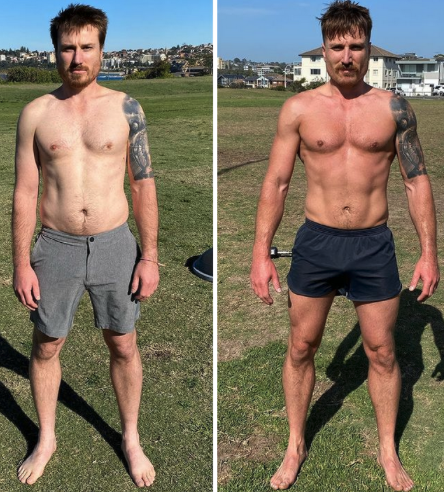
”After training with FP, my pain scale is zero 99% of the time.”
Lauren
Lower Back Pain & Poor Posture
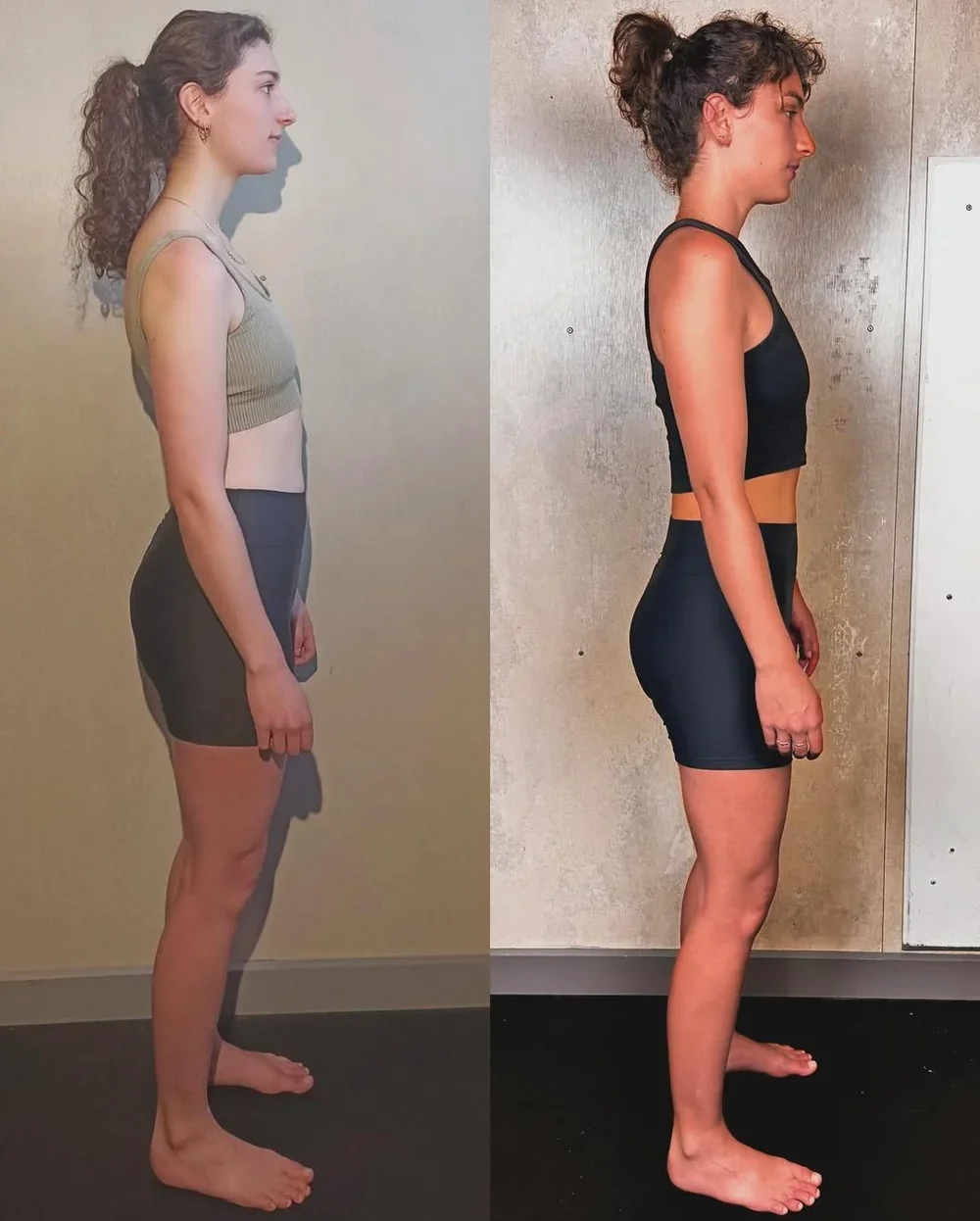
“FP helped me improve my posture and tension in the right places, giving me results much quicker than I expected.”
Sydney's Only Licensed Functional Patterns Facility
Functional Patterns Sydney is the only licensed Functional Patterns facility in the Sydney area. Based in Alexandria, our studio serves clients from across greater Sydney who are seeking a root-cause approach to chronic pain and movement dysfunction - including shoulder labrum tears and recurring shoulder injuries.
Our practitioners are certified Human Biomechanics Specialists trained in gait analysis, postural assessment, and corrective movement. Every client works 1-on-1 with their practitioner from the first assessment through to their ongoing training program.
Ready to move towards a solution?
Are you tired of repeatedly injuring yourself and moving dysfunctionally? Let us help you find the symmetry and balance in your posture and movement that will enhance your overall health.